3D Recipe Book Cover Laser Cut Review
As a designer who spends half the day digitizing and the other half testing stitches on everything from heavy denim to delicate muslin, I approach every new download with a healthy dose of skepticism. We have all been there: you buy a digital file that looks stunning in the thumbnail, only to find it is too dense for your machine or lacks the visual punch needed to sell at a craft fair. That is why I take the time to actually evaluate how a design translates from screen to fabric before recommending it to my network of fellow makers and Etsy sellers.
I recently pulled 3D Recipe Book Cover Laser Cut from the Other Art Amp collection under the Laser Cutting category. At first glance, the categorization might seem slightly confusing since this is primarily an embroidery asset, but the "Laser Cut" aspect hints at the precise, clean lines that define its aesthetic. My goal here is not just to describe what it looks like, but to analyze how it performs as a machine embroidery design for real-world applications, whether you are creating personalized gifts or scaling up production for a boutique brand.
First Impressions and Visual Personality
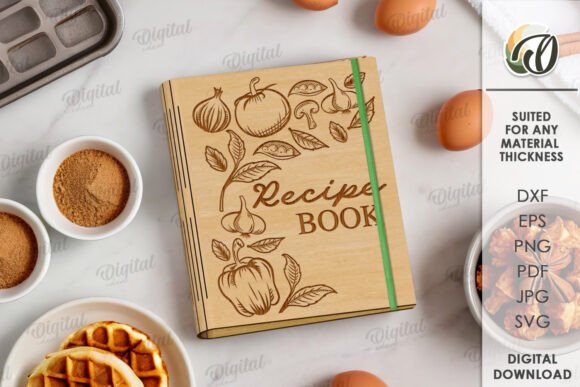
The immediate mood of this design is warm, nostalgic, and distinctly domestic. The concept of a recipe book cover taps into universal feelings of heritage, comfort, and culinary creativity. Visually, the layout is structured around the iconic shape of a vintage cookbook, complete with what appears to be a ribbon tie or bookmark element. This provides a strong central anchor for the eye.
From a design perspective, the strength lies in its balance. It is not overly cluttered. There is enough detail to feel substantial—a true embroidery project worth displaying—but it avoids the trap of tiny, illegible text that often plagues themed designs. The "3D" aspect likely refers to the layering effect created through strategic use of satin stitches and perhaps some raised fill areas, giving the flat fabric a tactile, dimensional quality. For customers, this translates to a higher perceived value. A flat print feels cheap; an embroidered piece with depth feels like a keepsake.
Real-World Application Scenarios
So, where does this fit best? In my experience, thematic designs like this perform exceptionally well when paired with complementary products. I envision this embroidery file shining on a high-quality canvas tote bag design meant for grocery shopping or farmers market runs. The sturdy fabric supports the stitch density, and the theme aligns perfectly with the user’s intent.
Another strong candidate is the kitchen towel or tea towel. These items are staple gifts for housewarmings and weddings. When stitched onto a linen or cotton blend towel, the contrast between the soft fabric and the crisp embroidery creates a professional finish. I also see potential here for a baby shower gift. While the theme is adult-oriented, the soft, rounded shapes of a book cover can work beautifully on a onesie or a burp cloth, especially if paired with pastel thread colors rather than traditional primary hues.
For those running a craft business, this design offers versatility. It works as a standalone custom apparel piece on a heavyweight sweatshirt for a cozy autumn vibe. However, I would caution against using it on thin, stretchy knits without proper stabilization, as the weight of the design could distort the garment over time. It is equally effective as an embroidered patch that can be ironed or sewn onto denim jackets or backpacks, adding a personalized touch that mass-produced items lack.
Technical Performance and Stitch Analysis
When evaluating any digital product, the devil is in the details. With 3D Recipe Book Cover Laser Cut, the clarity of the satin stitch borders is crucial. If the edges are jagged or the needle penetrations are too frequent, the design will look messy up close. Based on the preview assets, the outlines appear clean, suggesting a well-digitized path that minimizes puckering.
The fill stitch areas need to be evaluated for density. Too much thread in one spot can create a stiff, cardboard-like texture that ruins the drape of the fabric. Ideally, this design uses a mix of open fills and strategic satin work to maintain flexibility. For the running stitch elements, such as the simulated pages or binding lines, the tension must be set correctly to avoid loose loops on the backside.
One critical note for commercial users: always check the stitch density relative to your target fabric. If you plan to use this on a small shop product like a cap, ensure the curve of the hat accommodates the width of the design. A design that fits a 5x7 hoop comfortably might overwhelm a smaller 4x4 hoop, leading to cropped details that confuse the customer.
Strategic Placement and Fabric Considerations
Not every surface is created equal. I strongly advise against placing this design on textured fabrics like terry cloth or heavily woven baskets unless you are using a heavy-duty stabilizer. The irregular surface can cause needle deflection, resulting in misaligned stitches that ruin the precision of the "laser cut" aesthetic.
Dark fabrics present another challenge. Embroidery threads do not have the same opacity as ink. On a black or navy background, lighter thread colors may require additional passes or specific underlay stitches to appear vibrant. I recommend testing your chosen thread colors on scrap pieces of your actual final fabric. A white thread that looks bright on a swatch might look grayish on a finished apron depending on the weave.
Furthermore, consider the end-user maintenance. If this is intended for a frequently washed item like a kitchen towel or child’s clothing, the durability of the design matters. Dense satin stitches hold up well, but excessive fill can trap moisture. Ensure your stabilizer choice matches the fabric weight to prevent tearing during laundering.
Practical Designer Notes for Implementation
Before integrating this into your workflow, keep these practical steps in mind:
- Test First: Always run a test stitch on scrap fabric. Check for thread breaks, tension issues, and overall size accuracy.
- Black and White Mockup: Convert the design to grayscale in your editing software. This helps you assess the contrast and balance of light and dark areas without the distraction of color.
- Hoop Size Confirmation: Verify that the design dimensions fit your standard hoops. If you are selling digital embroidery files, clearly state the recommended hoop sizes in your listing to reduce returns.
- Licensing Check: Since this is a digital download, review the license agreement carefully. Confirm whether you can sell finished physical goods (commercial use) or if it is restricted to personal projects. This distinction is vital for Etsy sellers and creative entrepreneurs.
- Thread Palette: Experiment with different thread colors. While red and white might evoke a classic holiday feel, gold and cream could offer a more elegant, boutique look suitable for wedding favors.
Final Verdict on Value and Appeal
Overall, 3D Recipe Book Cover Laser Cut is a thoughtful addition to any designer’s library. It bridges the gap between whimsical and functional, making it suitable for a wide range of personalized gifts and holiday embroidery projects. Its clean lines and recognizable motif ensure instant recognition by buyers, which is key for driving engagement on social media platforms and marketplaces.
It is not a flashy, trend-chasing design, but rather a timeless piece that appeals to the maker community’s love for home and hearth. For those looking to expand their catalog of design assets with reliable, high-quality options, this file delivers on its promise of visual appeal and structural integrity. Just remember to respect the fabric and the machine settings, and you will produce a finished product that customers will cherish long after the initial excitement fades.