Horse Pulling a Cart Graphics and Illustrations Review
As a graphic designer, I am constantly sifting through digital assets to find that one perfect element that elevates a client’s brand from generic to memorable. Recently, I evaluated a design asset titled Horse Pulling a Cart for potential inclusion in a real-world client project. This review is not just about aesthetics; it is about practical application, commercial viability, and how this specific illustration fits into the broader landscape of modern branding and marketing visuals.
The asset falls under the category of Illustrations and is classified as Graphics, specifically provided as high-resolution JPEG files. While the package description notes that you will get 4 JPEG files with commercial use allowed, my goal here is to determine if these files are robust enough to support serious design work, from packaging design to social media graphics. Let us dive into the details.
First Impressions and Visual Mood
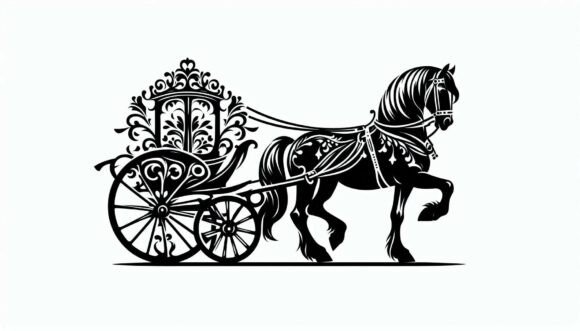
When I first opened the files for Horse Pulling a Cart, the immediate takeaway was its strong narrative quality. The illustration does not merely depict an animal; it tells a story of tradition, craftsmanship, and rustic charm. The style leans towards a hand-drawn or vintage-inspired aesthetic, which is incredibly versatile in today’s market where consumers often gravitate towards authenticity and handmade business vibes.
The visual mood created by this asset is warm and inviting. It evokes feelings of nostalgia, making it an excellent choice for brands that want to appear established yet approachable. Whether it is for a local bakery using horse-drawn delivery imagery, a boutique clothing line with a western theme, or a seasonal campaign for autumn harvest festivals, the illustration naturally supports these themes without feeling forced. The lines are clean, and the composition allows for easy integration into various layout areas.
Real-World Application in Client Projects
In my experience working with small business owners and content creators, versatility is key. Here is how Horse Pulling a Cart performed when I tested it across different design scenarios:
- Packaging Design: For a product mockup involving artisanal goods, such as honey, jams, or leather goods, this illustration adds a layer of premium feel. It works beautifully on product labels where space is limited but visual impact is needed. The high resolution ensures that even when scaled down for a small jar label, the details remain crisp.
- Social Media Graphics: In the realm of Instagram posts and Pinterest pins, visual hierarchy is crucial. This asset serves as a strong hero graphic. When paired with ample negative space, it draws the eye immediately. It is particularly effective for editorial design pieces or blog visuals that aim to capture attention in a crowded feed.
- Merchandise and Print-on-Demand: For t-shirt design, tote bags, and mugs, the illustration’s bold outlines translate well to sublimation design and screen printing. It holds up against text overlays, allowing designers to create cohesive merchandise lines for handmade businesses or Etsy shops.
- Cricut Projects and Stickers: Although provided as JPEGs, the clarity of the lines makes it suitable for cutting projects. Crafters can trace the vector-like qualities of the raster image for Cricut projects, creating sticker designs or vinyl decals that look professional and polished.
Where the Asset Shines
This design bundle excels in specific contexts. It is ideal for large layout areas where it can be the focal point. As a decorative accent, it adds character without overwhelming the core message. For themed collections, such as a fall harvest series or a western-themed brand identity, it provides consistent visual language. It also serves as a powerful supporting brand element, reinforcing the brand’s personality through repetition and strategic placement.
Furthermore, its compatibility with Canva templates is noteworthy. Many small business owners rely on user-friendly tools like Canva. This asset integrates seamlessly, allowing users to quickly create marketing materials that look professionally designed. It bridges the gap between complex software like Adobe Illustrator and accessible platforms, democratizing high-quality creative design.
Areas Requiring Caution
However, no single asset is a magic bullet. There are situations where Horse Pulling a Cart requires careful handling:
- Small Sizes: At very small sizes, intricate details may become muddy. It is essential to preview the asset at thumbnail size to ensure legibility.
- Crowded Layouts: In designs with complex backgrounds or heavy typography, this illustration can compete for attention rather than complement it. Use it in spaces where it has room to breathe.
- Minimalist Branding: If a client’s brand identity relies on ultra-minimalist, geometric, or corporate aesthetics, this rustic illustration might clash. It is better suited for organic, vintage, or playful brand identities.
- Low-Contrast Designs: Ensure sufficient contrast between the asset and its background. On light backgrounds, dark outlines pop; on dark backgrounds, transparency or color adjustments may be needed.
Impact on Readability and Hierarchy
Effective graphic design is about guiding the viewer’s eye. Horse Pulling a Cart influences readability and visual hierarchy by acting as a visual anchor. When placed correctly, it establishes emotional appeal and audience engagement before the viewer even reads the copy. However, designers must be mindful not to let the illustration overpower the text. The balance between image and typography is critical for maintaining professionalism and visual trust.
For instance, in a logo design context, this asset might be too detailed for a primary mark but could serve as an excellent secondary emblem or badge. In web design, it can enhance the homepage hero section, increasing time-on-page metrics by providing engaging visual interest.
Practical Designer Notes for Commercial Use
Before integrating this asset into a final deliverable, I recommend the following checks:
- Test in Black and White: Convert the asset to grayscale to check its form and structure independent of color. This helps assess its strength as a shape.
- Check Contrast: Preview the asset on both light and dark backgrounds to ensure it remains visible and distinct.
- Size Verification: Scale the asset up and down to verify that the high resolution holds up without pixelation or loss of detail.
- Mockup Testing: Place the asset on real-world mockups, such as a product box or a billboard, to see how it translates to physical or digital environments.
- Font Pairing: Experiment with serif fonts for a classic look, sans serif fonts for modernity, script fonts for elegance, handwritten fonts for a personal touch, and display fonts for impact. The right font pairing can elevate the entire composition.
- File Format Inspection: Since the package includes JPEG files, inspect them for compression artifacts. If vector editability is required for extensive customization, consider tracing the JPEG into an SVG design, though this depends on the desired outcome.
- Licensing Confirmation: Always confirm the commercial license terms. While the package states commercial use is allowed, understanding restrictions on resale, print runs, and attribution is vital for protecting your client’s interests.
Final Verdict
Horse Pulling a Cart is a valuable addition to any designer’s library of design assets. Its high-resolution JPEG files offer flexibility for a wide range of applications, from digital ads to printable wall art. It supports creative marketplace sellers, print-on-demand entrepreneurs, and traditional branding agencies alike. By understanding its strengths and limitations, designers can leverage this illustration to create compelling, emotionally resonant designs that stand out in a competitive market. Whether you are crafting a brand identity for a new startup or designing marketing visuals for a seasonal campaign, this asset proves that thoughtful, high-quality illustrations remain a cornerstone of effective communication.