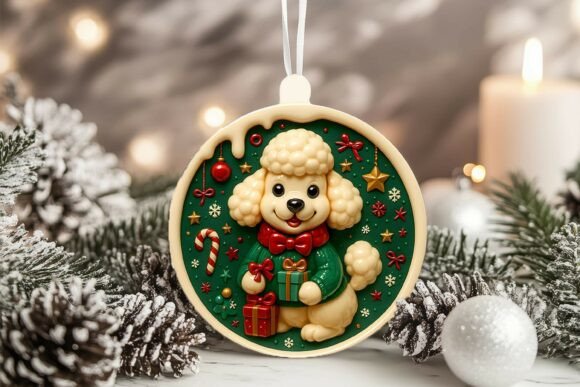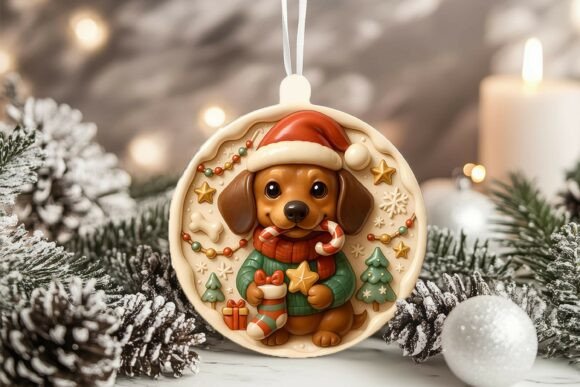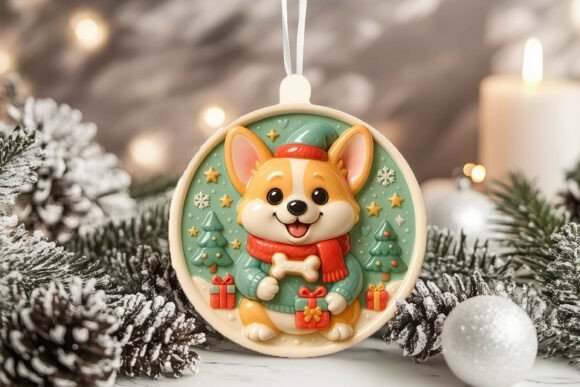
Review: 3D Porcelain Chihuahua Dog Xmas Ornament
As a designer who spends more time than I care to admit staring at stitch charts and fabric swatches, I approach every new digital asset with a healthy dose of skepticism. The market is flooded with generic clip art and poorly digitized vectors that look like they belong in a low-budget flyer from 2005. However, when I first pulled up the 3D Porcelain Chihuahua Dog Xmas Ornament, I paused. This isn’t just another holiday graphic; it’s a specific, stylized interpretation of a beloved breed that carries immediate emotional weight. My goal here is to strip away the marketing fluff and evaluate this design strictly through the lens of practical application for embroidery designers, small business owners, and craft entrepreneurs.
The First Impression: Mood and Visual Personality
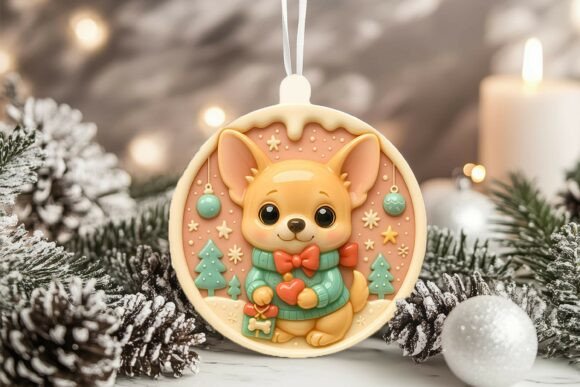
The moment you load this file into your digitizing software or preview it on a mockup, the "porcelain" aesthetic jumps out. It suggests a glossy, smooth texture that contrasts sharply with the fibrous nature of thread. For an embroidery project, this is a double-edged sword. The design features a circular ornament shape, which provides a contained, balanced composition. This is crucial because chihuahuas are often depicted with high energy and sharp angles; containing them within a circle creates a sense of order and polish that translates well to finished goods.
The mood is undeniably festive but also whimsical. It feels like something you would find in a boutique gift shop rather than a mass-market warehouse. For the Etsy seller or the maker selling at craft fairs, this visual personality is gold. It speaks to dog lovers who appreciate humor and charm over traditional solemnity. The "3D" aspect mentioned in the title implies depth and shading, which means the design likely relies on color changes and perhaps varied stitch directions to create that illusion of volume. If executed well, it can mimic the look of a delicate ceramic piece, adding a touch of elegance to what is otherwise a playful subject.
Real-World Application: Where Does This Design Shine?
I recently considered using this design for a custom holiday collection targeting young families and pet owners. The versatility of the 3D Porcelain Chihuahua Dog Xmas Ornament allows it to fit into several distinct product categories, each requiring a slightly different strategic approach.
- Custom Apparel and Sweatshirts: Placing this design on a crewneck sweatshirt or a hoodie is a natural fit. The circular shape works beautifully as a chest logo or centered back print. Because the design has a clear focal point, it stands out against common winter fabrics like fleece or heavy cotton. For the small shop product owner, this is a high-demand item during Q4.
- Baby Items and Nursery Decor: There is a surprising amount of crossover between holiday decor and baby gifts. A soft onesie or a burp cloth featuring this charming ornament design makes for a memorable personalized gift. The rounded edges of the ornament graphic are gentle and safe-looking, which appeals to parents. However, one must be cautious with placement to ensure the design doesn't overwhelm a tiny garment.
- Tote Bags and Kitchen Towels: For the craft business looking to move volume, these designs work exceptionally well on canvas tote bags or linen tea towels. The contrast between the rustic texture of the fabric and the sleek, porcelain-like aesthetic of the graphic creates a sophisticated handmade appeal. It elevates a simple kitchen towel into a keepsake item.
- Embroidered Patches and Caps: The circular format is inherently suited for patches. Whether iron-on or sewn onto denim jackets and baseball caps, the design holds its structure well. For the commercial embroidery professional, this is a quick, profitable add-on for customers buying holiday hats.
Technical Considerations and Stitching Challenges
While the visual appeal is strong, translating a "3D porcelain" look into thread requires careful planning. Embroidery machines do not naturally produce a glossy, hard surface. To achieve the desired effect, the digitizer must rely heavily on satin stitch for outlines and fill stitch for the body, potentially using a high thread count to simulate smoothness. If the stitch density is too low, the design will look sparse and fail to convey the "ornament" vibe. Conversely, if it is too dense, the fabric may pucker, especially on lightweight materials.
I strongly advise testing this design on scrap fabric before committing to final production. Pay close attention to the small details, particularly the facial features of the chihuahua. In many digital illustrations, fine lines can get lost in embroidery if the hoop size is too large relative to the design area. If you are stitching this on a tote bag design where the canvas is thick, you may need to adjust the underlay stitches to prevent the needle from pushing through the fabric unevenly.
Another critical factor is thread color contrast. The porcelain theme usually implies whites, creams, or pastels. On a dark fabric, such as a black sweatshirt, a white porcelain design can get lost unless you use a heavy backing stabilizer or a contrasting border. Always inspect the design in a black-and-white mockup to ensure the shapes remain distinct without the aid of color. If the grayscale version looks muddy, the final embroidered product will likely suffer from the same issue.
Where to Exercise Caution
Not every surface is suitable for this level of detail. Avoid placing this design on highly textured fabrics like chunky knits or bouclé, as the stitch definition will be compromised. Similarly, be wary of stretchy fabrics unless you use a tear-away or cut-away stabilizer that matches the fabric's elasticity. On curved surfaces like the front of a cap, the circular design might distort if the hoop tension isn't perfectly calibrated. Finally, if you are producing items that require frequent washing, such as baby clothes or aprons, ensure the design is anchored properly. Loose threads on a detailed ornament graphic can snag easily, leading to customer complaints about durability.
Impact on Brand Value and Customer Trust
In the world of handmade products, presentation is everything. A well-executed embroidery of the 3D Porcelain Chihuahua Dog Xmas Ornament signals professionalism. It shows that you have invested time in selecting quality assets and understanding how to translate them into physical goods. When a customer sees a crisp, clean design on a high-quality garment, their trust in your brand increases. They perceive the item as a premium holiday gift rather than a cheap novelty.
Furthermore, the specific niche of "dog lovers" is passionate and engaged. By offering a design that combines a popular breed with a classic holiday motif, you tap into existing communities on social media. This design is highly shareable. Customers are likely to post photos of their new ornaments or apparel online, providing free organic marketing for your Etsy listing or digital product previews. The uniqueness of the porcelain style helps your brand stand out in a sea of red and green Santa graphics.
Final Verdict for the Creative Entrepreneur
The 3D Porcelain Chihuahua Dog Xmas Ornament is a versatile, emotionally resonant design that offers significant potential for both personal projects and commercial ventures. Its strength lies in its balance of whimsy and polish, making it suitable for a wide range of products from apparel to home decor. However, success depends entirely on execution. The digitization quality, thread selection, and fabric choice will determine whether the final product looks like a cherished heirloom or a disposable trinket.
Before integrating this into your workflow, verify the licensing terms to ensure you have the right to sell finished items. Check the recommended hoop size and confirm that your machine can handle the required thread colors without excessive trimming. Test rigorously on your target fabrics. If done correctly, this design can become a staple in your holiday collection, driving sales and delighting customers who love both dogs and beautiful craftsmanship. For the serious embroidery designer, it is a solid addition to your design assets library, provided you respect the technical nuances of bringing a 3D graphic to life in 2D thread.