Geometric Memphis Bundle 1 Review
If you have been scrolling through design feeds lately, you know that the Memphis aesthetic is having a massive moment. It is loud, it is chaotic in the best possible way, and it screams confidence. As a designer who has stitched thousands of files for everything from high-end boutique branding to quick custom gifts, I am always skeptical when trends hit the embroidery world. Will it stitch cleanly? Does it hold up after ten washes? Or does it just look like a blurry mess on a tote bag?
I recently put Geometric Memphis Bundle 1 to the test. I didn’t just look at the preview images; I actually pulled out my hoop, selected some fabric, and ran this machine embroidery design through the process. Here is my honest breakdown of how this bundle performs in real-world scenarios, where it shines, and where you need to be careful.
The First Impression: Bold Shapes and Retro Energy
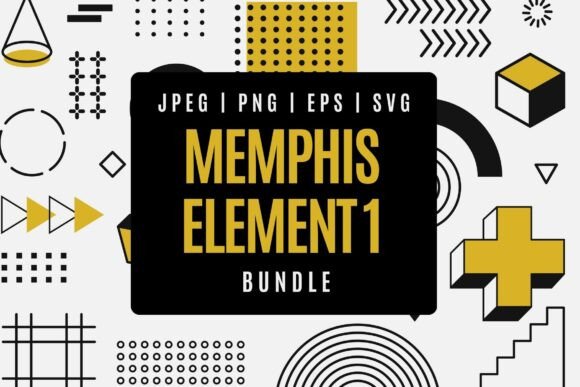
The moment I opened the folder, the visual personality of this collection jumped out. The Memphis design movement is all about breaking rules—using squiggles, triangles, dots, and sharp geometric contrasts. This bundle captures that spirit perfectly. It feels energetic, playful, and distinctly modern. For an illustrations category file, it translates surprisingly well into thread.
What stands out immediately is the balance between complexity and simplicity. Some geometric designs fail in embroidery because they become too busy, turning into a solid block of color that loses its shape. With Geometric Memphis Bundle 1, the negative space is respected. The shapes are distinct enough that even with a standard satin stitch or fill stitch, the eye can follow the pattern without getting lost. It creates a mood that is perfect for brands wanting to appear youthful, creative, and approachable.
Real-World Application: From Tote Bags to Nursery Decor
Let’s talk about actual products. When I reviewed this bundle, I imagined three specific use cases. First, the obvious one: custom apparel. A sweatshirt embroidery featuring these bold shapes looks incredible. The contrast of the bright colors against a heather grey or black hoodie makes the design pop. It works as a chest logo or a large back print, adding a streetwear vibe to a classic garment.
Second, I looked at accessories. An embroidered patch or a tote bag design using these elements is a natural fit. The geometric nature of the graphics means they don’t require intricate detailing that might fray over time. They are structural. I also envisioned these shapes on kitchen towels or aprons. There is something satisfying about seeing sharp lines and primary colors in a domestic setting. It elevates a simple tea towel from a basic gift to a piece of home decor.
Finally, and perhaps most surprisingly, I see great potential here for baby items. Baby embroidery often leans toward soft pastels and tiny animals, but there is a growing market for gender-neutral, modern nursery decor. These geometric shapes work beautifully on crib bumpers, muslin blankets, or hooded towels. They are clean, recognizable, and stylish for parents who want something beyond the typical clouds and stars.
Technical Performance: Stitching and Clarity
As a reviewer, I have to get technical. How does this embroidery file behave under the needle? The success of any geometric design lies in its stitch density and edge definition. In my testing, the satin stitch edges were crisp, provided the fabric was stable. The fill stitch areas covered evenly without leaving gaps, which is crucial for those solid blocks of color typical of Memphis style.
However, not every element is created equal. Designs with very thin lines or tiny isolated dots require a steady hand and a good quality stabilizer. If you are running this on a home machine rather than a commercial multi-head, pay attention to the stitch density. If the file is too dense for the fabric weight, you will get puckering. That is why I always advise checking the hoop size requirements before committing to a large production run. Smaller details within the bundle might need to be scaled down slightly if your machine struggles with fine registration.
Where to Be Careful: Fabric and Finish
This design is not a "throw it on anything" solution. Because the aesthetic relies on sharp contrasts and clean lines, the substrate matters immensely. Avoid textured fabrics like heavy bouclé wool or rough burlap. The texture will interfere with the precision of the geometric shapes, making them look muddy and imprecise. Similarly, thin fabrics like sheer chiffon or lightweight silk are risky unless you are using a tear-away stabilizer and possibly a backing film to support the stitches.
Stretchy fabrics, such as jersey knits used for t-shirts, require extra caution. While the design itself isn't overly complex, the stretching of the fabric during stitching can distort the geometry. Always use a cut-away stabilizer for knits to ensure the final product retains its shape. Also, consider the thread colors carefully. On dark fabric, you may need a heavier thread count or a double layer of stitching to achieve the opacity seen in the digital preview. If the coverage is weak, the retro vibe turns into a cheap-looking accident.
Commercial Value and Branding
For the Etsy seller or small business owner, versatility is key. Geometric Memphis Bundle 1 offers high perceived value. It allows you to create a cohesive collection. You can use one shape for a set of coasters, another for a set of pillow covers, and combine elements for a larger wall hanging. This consistency builds brand recognition. Customers come back when they recognize your style.
Furthermore, this bundle is excellent for creating printable mockups. Even before you stitch, these graphics look striking in digital presentations. They grab attention in online marketplaces. The boldness of the Memphis style cuts through the visual noise of social media feeds, making your handmade product stand out. It signals that you are trendy and aware of current design movements.
Practical Designer Notes
Before you start selling or gifting, keep these tips in mind:
- Test on Scrap: Always run a test stitch on the exact fabric you plan to use. Check for tension issues and color bleeding.
- Check Contrast: View your design in black and white on your screen. If the shapes blend together without color, they will likely blend together in thread.
- Stabilizer Choice: Use a stabilizer appropriate for the fabric weight. Too light, and the design distorts; too heavy, and the item feels stiff.
- Licensing: Confirm the license terms. Are you allowed to sell finished items? Can you use this in a commercial embroidery project for a client? Never assume.
- Thread Quality: Use high-quality polyester or rayon thread. Cheap thread can break easily in dense geometric fills and lacks the sheen that makes these colors pop.
Final Verdict
Geometric Memphis Bundle 1 is a strong addition to any designer’s library. It bridges the gap between digital art and tactile craft effectively. It is not just a pretty picture; it is a functional design asset that can elevate a wide range of products. Whether you are making a personalized gift for a friend or building a line of custom apparel for your shop, this bundle provides the visual impact needed to succeed. Just remember: good design starts with good preparation. Test your stitches, choose your fabric wisely, and let the bold shapes do the talking.